
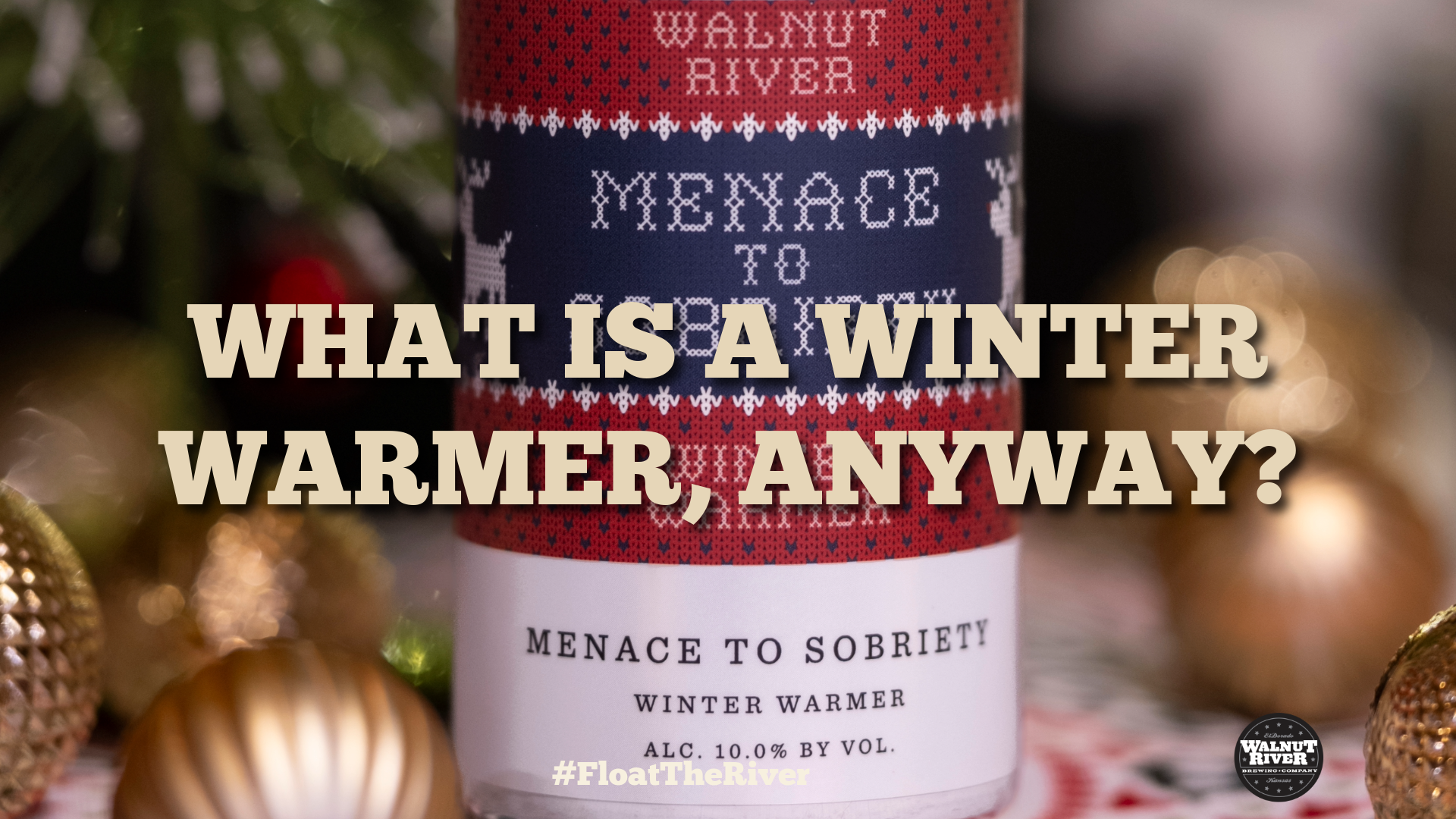
What is a Winter Warmer, Anyway?
Every November, the beer menu changes. The crisp lagers step back, and a new word shows up on tap lists everywhere: winter warmer.
It sounds less like a beer and more like a blanket. Honestly, that’s not far off.
Here’s what a winter warmer actually is, why it’s built the way it is, and how to drink one so you get the most out of it.
A tradition, not a rulebook
Here’s the first thing to know: “winter warmer” isn’t a strict style like Märzen or Dunkel. It’s more of a tradition. There’s no official checklist a beer has to meet.
The idea traces back to England, where brewers made stronger, maltier ales for the cold months. These beers were meant to be sipped by the fire on long winter nights, not knocked back at a summer picnic.
American brewers picked up the tradition and ran with it. Some versions are spiced, some aren’t, and every brewery puts its own spin on it. What they share is a feeling more than a formula: rich, malty, a little stronger than usual, and built for cold weather.
What makes it “warm”
No, it isn’t served hot. The warmth comes from two places.
1. A lot of malt. Brewers pack winter warmers with more malt than an everyday beer. That gives them deep flavors like caramel, toffee, toasted bread and dried fruit, plus a fuller body that feels right when it’s cold outside. (Our post Understanding Malt explains where those flavors come from.)
2. A little more strength. More malt means more sugar for the yeast to eat, and more sugar means more alcohol. Winter warmers usually run stronger than a standard pint, and that gentle warmth on the way down is where the name comes from.
The spice question. Some winter warmers add cinnamon, nutmeg, orange peel or other holiday spices. Others let the malt do all the work. Both count.
Meet Menace to Sobriety
Our winter warmer just launched, on tap and in 4-packs of 12 oz cans.
- 10% ABV, 17 IBU
- Rich and malty, and only 17 IBU, so the malt does nearly all the talking
- Cozy, bold and warming, built for cold Kansas nights
- Made for a slow evening by the fire, a long dinner, or one good beer to end the night
About that name: it’s a joke. The 10% isn’t. This one is meant to be sipped and shared, not rushed.
How to drink one
A winter warmer rewards a little patience. Three tips:
- Let it warm up a bit. Ice-cold beer hides flavor. Pull it from the fridge 10 to 15 minutes before you pour, and the malt has room to show up.
- Use a smaller glass. A snifter, tulip or wine glass works better than a pint glass. It holds in the aroma and keeps the pour a sensible size for a 10% beer.
- Sip, don’t rush. Notice how it changes as it warms in the glass. Make it the one beer of your night, or split a can with a friend.
Want to know what that 10% really means? Our upcoming post on ABV breaks it down.
What to eat with it
Big, malty beers want food with some weight to it. At the taproom, try:
- Pretzels with Beer Cheese. Rich malt meets salty, cheesy pretzel. It’s a cold-night classic for a reason.
- The Hogjaw pizza. Sausage, Italian sausage, pepperoni and ham can stand up to a beer this bold.
At home, Menace pairs well with roasts, stews, sharp cheddar, or a slice of pecan pie after Thanksgiving dinner.
The short version
A winter warmer is a richer, maltier, slightly stronger ale made for cold weather. It’s a tradition more than a rulebook, and it’s best enjoyed slowly.
Menace to Sobriety is ours. It’s here for the season, so come find a seat by the window and take your time.
Find Menace to Sobriety near you · See what’s happening at the taproom
Please enjoy responsibly.