
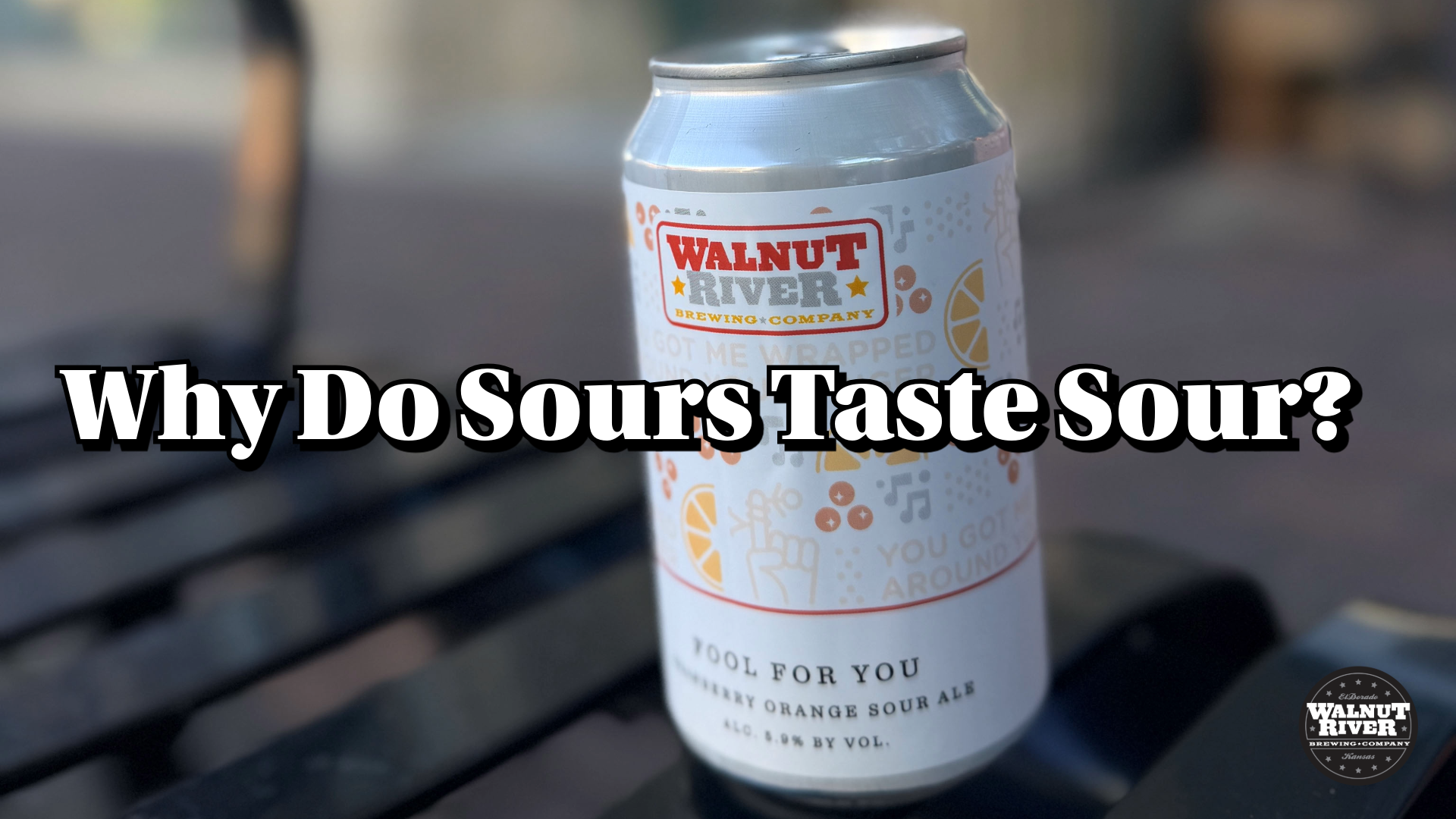
Why Do Sours Taste Sour?
You know the face. Eyes squint, lips pucker, and your shoulders creep up toward your ears. It’s the universal reaction to a first sip of sour beer, and almost everyone makes it.
Then comes the question: “Wait… is this supposed to taste like that?”
Yes. Yes, it is. That tang isn’t a brewing accident or a beer that’s gone bad. It’s very much on purpose, and the story behind it involves some of the hardest-working tiny creatures in brewing.
The short answer: it’s acid
Sourness is your tongue detecting acid. That’s it. Lemons, pickles, yogurt and sour candy all hit the same taste receptors.
Here’s the fun part: almost all beer is a little acidic. A typical lager or IPA sits around pH 4 to 4.5. Most sours drop to roughly pH 3 to 3.5. Since pH runs on a log scale, that’s roughly ten times more acidic, which is plenty for your taste buds to notice.
So the real question isn’t why sours are sour. It’s where all that extra acid comes from.
Meet the microbes
In regular beer, yeast does the heavy lifting. It eats sugar and turns it into alcohol and bubbles. (Our post What does yeast actually do? covers that magic.) Sour beer adds a few extra workers to the crew.
- Lactobacillus (“Lacto”) is the star. It turns sugar into lactic acid, the same clean, bright tang you taste in yogurt. Most modern sours lean on Lacto.
- Pediococcus (“Pedio”) also makes lactic acid but works slower. It shows up in long-aged sours and tends to bring a deeper, funkier tartness.
- Acetobacter makes acetic acid, the sharp bite in vinegar. A little adds complexity in some traditional styles. Too much, and your beer starts auditioning for a salad dressing.
Brewers spend most of their careers keeping these bugs out of beer. Sour brewers invite them in on purpose, then keep them on a very short leash.
How sours get made: fast lane vs. slow lane
There are two main roads to sour, and they take wildly different amounts of time.
The fast lane: kettle souring. Brewers make the sweet, unfermented beer (called wort), add Lactobacillus, and let it work for a day or two until the tartness is just right. Then they boil it, which stops the bacteria in their tracks, and ferment it with regular yeast like any other beer. The result is clean, bright and predictable. It’s how most fruited sours on shelves today are made.
The slow lane: barrel and mixed fermentation. Here, yeast and bacteria work side by side for months or even years, often in oak barrels. The flavors get deeper, funkier and more complex. Think Belgian lambics or Flanders red ales. It’s beautiful stuff, and it takes serious patience.
| Kettle sour | Barrel / mixed fermentation | |
|---|---|---|
| Time to sour | 1 to 3 days | Months to years |
| Main acid | Lactic | Lactic, often some acetic |
| Flavor | Clean, bright, zippy | Funky, earthy, layered |
| Classic examples | Berliner weisse, gose, modern fruited sours | Lambic, Flanders red |
Fruit: the sidekick that brings its own sour
Bacteria aren’t the only source of tang. Fruit brings natural acids of its own. Oranges carry citric acid, and cranberries are famously tart thanks to a mix of citric, malic and quinic acids. (That’s why nobody eats them straight off the vine.)
In a fruited sour, those fruit acids layer on top of the lactic acid. The fruit’s natural sugars soften the edges, so you get something that’s bright and tart but still balanced.
Meet Fool for You
Our fall sour is basically a masterclass in this balancing act.
- 5.9% ABV, 11 IBU. That’s barely any hop bitterness, so the fruit and tartness do all the talking.
- Tart cranberry and zesty orange dance on your palate, a little sweet and a little sharp.
- Made for cooler weather, fall gatherings, and anyone who swears they “don’t like sours” (yet).
Fair warning: you’ll fall for it every time. Go ahead, be a fool. This one’s worth it.
“Is it supposed to taste like that?”
Good question, and a fair one. Here’s how to tell a sour that’s sour on purpose from a beer that’s actually gone off.
| Sour on purpose | Something’s off |
|---|---|
| Bright, clean tartness, like lemonade or yogurt | Harsh, nail-polish-remover vinegar burn |
| Fruit and malt flavors still come through | Cardboard, wet paper or musty flavors |
| The label says sour (it will, loudly) | It’s an IPA or lager that suddenly tastes tart |
The golden rule: if a beer is supposed to be sour, the brewery will tell you. If your hazy IPA suddenly tastes like a sour, that’s when to say something to your bartender.
Pucker up: taproom pairings
Acid loves rich, salty food. It cuts through fat and wakes up your palate between bites. Here’s what to order with Fool for You at the taproom:
- Chips & Queso. Tart cranberry slices right through the creamy, cheesy richness. Every sip resets your taste buds for the next chip.
- Popcorn. Salty plus tart is a dangerously snackable combo. Consider yourself warned.
- The Ollie pizza. Black olives, spinach and tomato bring briny, bright flavors that play beautifully with orange zest.
Your next move
If you’ve been a sour skeptic, Fool for You is a friendly place to start. It’s fruit-forward, low in bitterness and balanced enough to win you over in a sip or two. It’s only around for the season, so don’t wait too long.
Find Fool for You near you · See what’s happening at the taproom
Please enjoy responsibly.